Bingo as a Community Across Generations

Bingo as a Community Across Generations
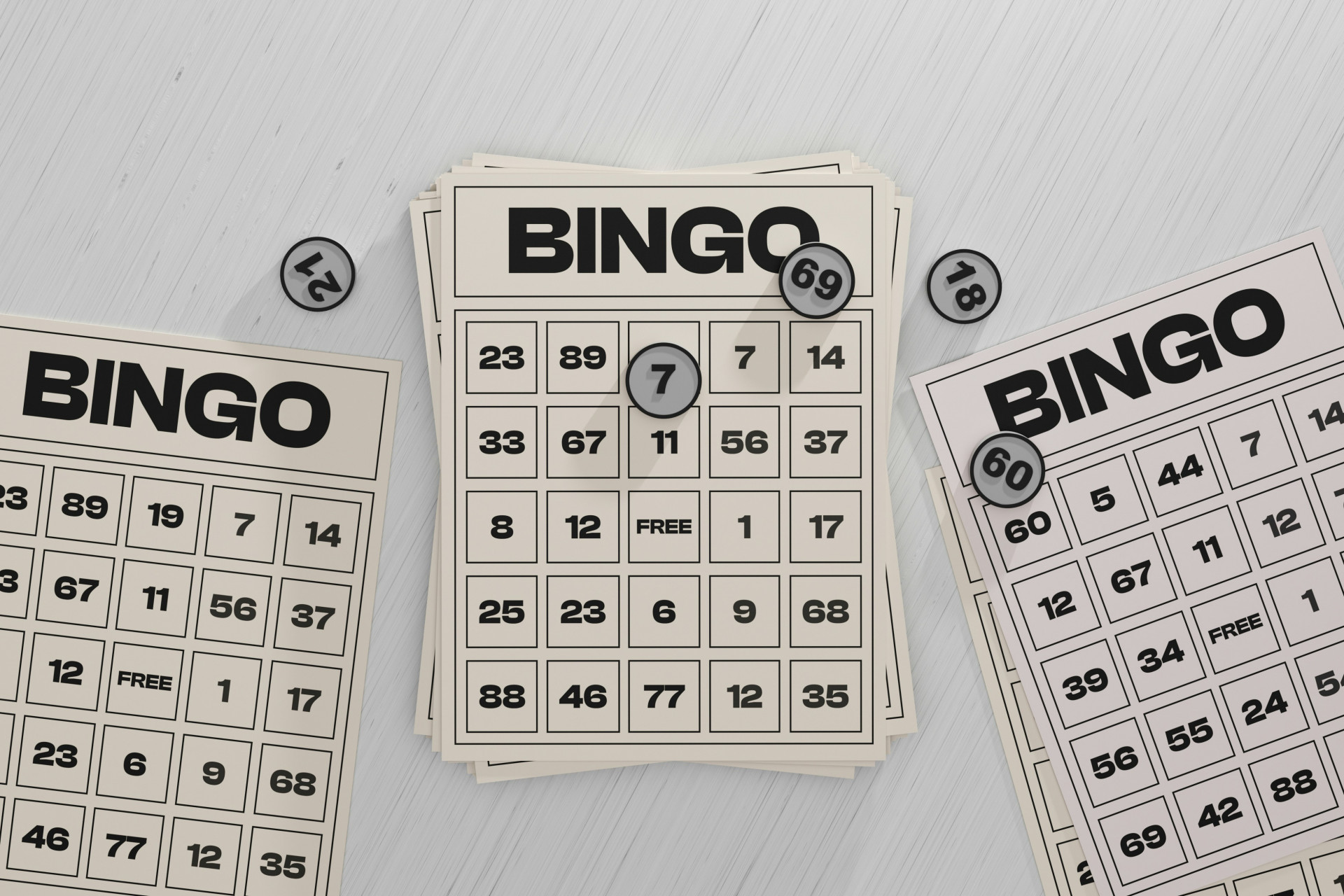
For many people in the UK, bingo brings to mind lively evenings at the local hall, the thrill of waiting for the final number, and the joy of calling out “Bingo!” to a round of applause. But beyond the excitement and prizes, bingo has long been a cornerstone of community life – a game that connects people across ages, backgrounds, and experiences. In an era where much of our social interaction happens online, bingo continues to offer something refreshingly human: a sense of belonging.
A Game with History and Heart
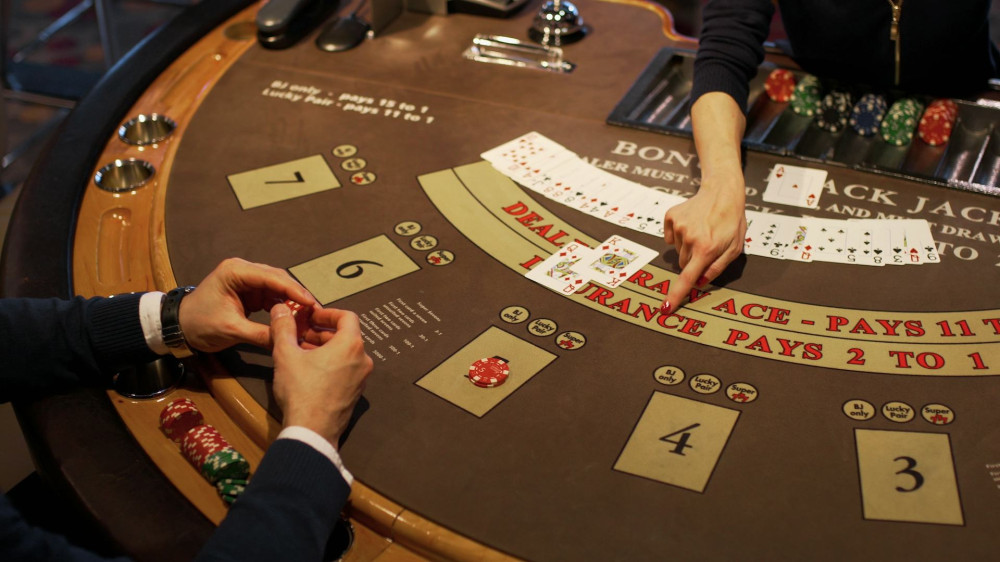
Bingo’s roots stretch back centuries, but it became a true British institution in the mid-20th century. From seaside resorts to working men’s clubs, bingo halls were places where people gathered not just to play, but to socialise. For many, it was a weekly ritual – a chance to catch up with friends, share a laugh, and enjoy a night out.
Today, bingo is experiencing a revival. Traditional halls still draw loyal crowds, while online bingo has opened the game to new generations. Students, young professionals, and families are rediscovering its charm, whether through themed bingo nights in pubs or digital platforms that bring players together from across the country. The beauty of bingo lies in its simplicity: anyone can join in, regardless of age or experience. All you need is a bit of luck and a willingness to take part.
Community in the Bingo Hall
In towns and villages across the UK, bingo nights remain a cherished tradition. They’re often run by volunteers, raising funds for local causes or simply keeping a social space alive. The atmosphere is warm and familiar – cups of tea, homemade cakes, and friendly chatter between rounds. For some, it’s the highlight of the week, a reason to get out of the house and connect with others.
Regular players often describe bingo as more about companionship than competition. There are shared jokes, favourite seats, and long-standing friendships that have grown over years of playing together. These small rituals and routines are what make bingo halls feel like extended families – places where everyone is welcome.
When Bingo Goes Online
The digital age has transformed how people play, but not why they play. Online bingo has become a social hub in its own right, with chat rooms and virtual communities that recreate the camaraderie of the hall. Players cheer each other on, share stories, and celebrate wins together – even from miles apart.
For older players, online bingo can be a lifeline, offering connection and conversation without the need to travel. For younger ones, it’s a fun, low-pressure way to meet new people. The format may have changed, but the spirit of togetherness remains the same.
Læs også:

Bridging Generations
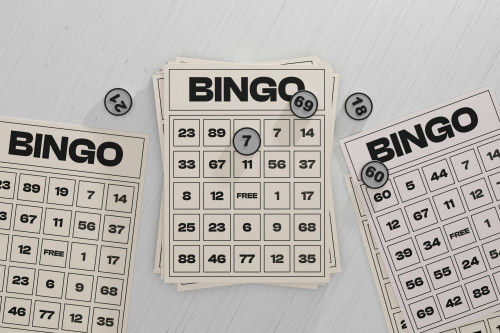
One of bingo’s greatest strengths is its ability to bring generations together. Grandparents and grandchildren can play side by side, sharing laughter and stories. The older generation might reminisce about the days of smoky bingo halls and paper cards, while the younger ones introduce apps and digital versions. In these moments, bingo becomes more than a game – it’s a bridge between past and present.
Schools, care homes, and community centres across the UK have embraced bingo as an intergenerational activity. It’s used to teach numbers, encourage interaction, and build relationships. Whether it’s part of a family day or a classroom project, bingo offers a simple, joyful way to connect.
The Future of a Shared Tradition
At a time when loneliness and isolation are growing concerns, bingo stands out as a small but powerful antidote. It doesn’t require expensive equipment or special skills – just people willing to come together. Whether played in a bustling hall, a quiet community centre, or online, bingo continues to remind us of something essential: that we all need connection.
Bingo may be a game of chance, but its real prize is the sense of community it creates – laughter, friendship, and the feeling of belonging that spans generations.
Læs også: