Read Your Opponents: Use Body Language and Observation to Gain an Edge in Live Poker

Read Your Opponents: Use Body Language and Observation to Gain an Edge in Live Poker
In live poker, success isn’t just about the cards you’re dealt – it’s about the people you’re playing against. While online poker rewards mathematical precision and strategic thinking, live poker adds a human element: the ability to read your opponents through their body language, reactions, and habits. Those who can interpret these subtle signals often gain a crucial edge at the table.
Why Observation Is the Key to Live Poker
At a live poker table, every player is a source of information. The way they sit, bet, and respond to different situations can reveal a great deal about their hand and mindset. Skilled players spend as much time observing as they do playing – even when they’ve folded.
By noticing patterns in your opponents’ behaviour, you can start to predict how they’ll act in future hands. It’s not about guessing; it’s about collecting data – small observations that, over time, build a clear picture of who you’re up against.
Classic “Tells” – and How to Read Them
A “tell” is a signal, conscious or unconscious, that gives away something about a player’s hand or emotional state. Here are some of the most common ones:
- Shaking hands – often a sign of nerves, but paradoxically it can also indicate a very strong hand. Adrenaline spikes when someone holds a winner.
- Long pauses – a player who takes a long time to act might be trying to appear weak with a strong hand, or vice versa. Quick decisions can signal confidence – or panic.
- Eye contact – some players avoid it when bluffing, while others overcompensate by staring too intently. The key is to learn what’s normal for each individual.
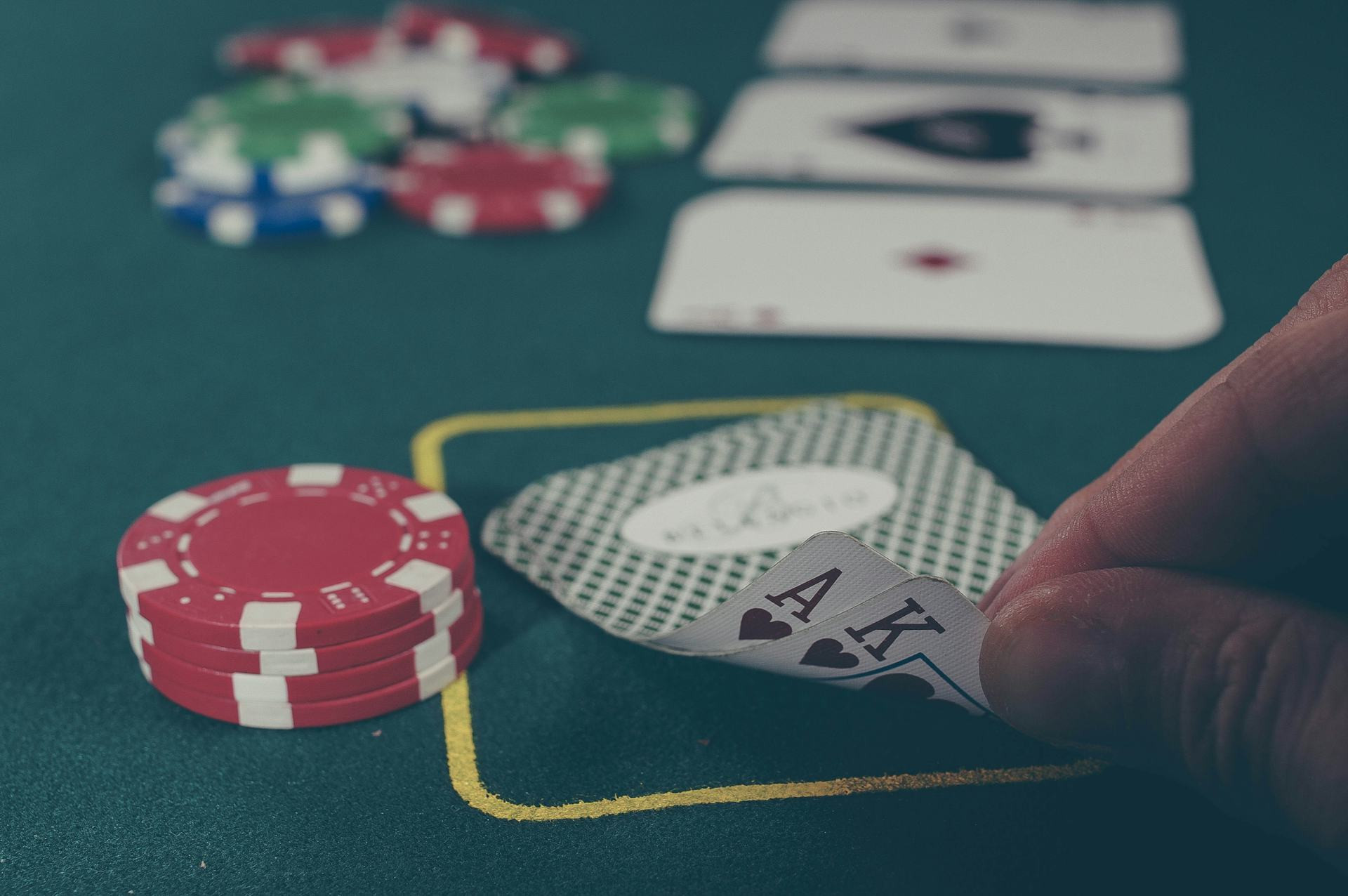
- Chip handling – the way a player stacks, counts, or fiddles with their chips can reveal a lot. Sudden stops or nervous movements often betray uncertainty.
Remember, tells aren’t universal. What means one thing for one player might mean the opposite for another. Always look for consistent patterns rather than one-off reactions.
Get to Know Your Opponents
Over the course of a session, you’ll notice that every player has their own rhythm and style. Some are aggressive and bet frequently, while others are cautious and only play premium hands. By observing how they react in different situations, you can adapt your strategy accordingly.
- Against aggressive players: Wait for strong hands and let them build the pot for you.
- Against cautious players: Take advantage of their hesitation by bluffing more when you sense weakness.
- Against inexperienced players: Watch for unintentional tells – they often reveal more than they realise.
The better you understand your opponents, the easier it becomes to make the right decisions – even when the cards aren’t in your favour.
Control Your Own Body Language
Reading others is only half the battle. The other half is controlling yourself. If you show obvious reactions, you become easy to read. Practise staying calm and consistent, whether you’re holding a monster hand or complete rubbish.
A good approach is to develop a neutral routine: sit the same way, bet at the same pace, and avoid sudden changes in behaviour. The more consistent you appear, the harder it is for others to spot patterns in your play.
Some experienced players even use “reverse tells” – deliberately sending misleading signals to confuse opponents. It’s an advanced tactic that requires discipline and timing, so use it sparingly.
Læs også:



Use the Breaks to Observe
Even when you’re not in a hand, there’s plenty to learn. Watch how players react after winning or losing. Notice who chats freely and who goes quiet. Often, players reveal more in casual moments than during the actual game.
Breaks are also a great time to gauge the overall mood at the table. Is the atmosphere tense, relaxed, or competitive? The general energy can influence how people play – and how you should adjust your own approach.
The Mental Game
Live poker is as much a mental challenge as a strategic one. Staying focused while observing others takes practice. It’s about being present without becoming distracted – noticing details without letting them cloud your judgement.
Many professionals describe this as being “in the zone”: a state where you think both strategically and intuitively. The more you train yourself to observe without overanalysing, the quicker and more accurately you’ll respond to what’s happening around you.
From Observation to Action
Reading opponents is only useful if you apply what you’ve learned. That means combining your observations with solid poker fundamentals. For example, if you notice that a player always sighs before bluffing, you can use that information to call them down – but only if the rest of the situation supports it.
Observation is a tool, not a guarantee. The best results come when you use it alongside your understanding of odds, position, and table dynamics.
A Skill Worth Refining
Mastering body language and observation in live poker takes time. It demands patience, focus, and a willingness to learn from both mistakes and successes. But once you start recognising the patterns – the small gestures, repeated reactions, and unconscious signals – the game opens up in a whole new way.
The cards may be random, but the people around the table are not. And that’s exactly where your greatest advantage lies.
Læs også: