What the Lottery Can Teach Us About Real-World Probability


What the Lottery Can Teach Us About Real-World Probability
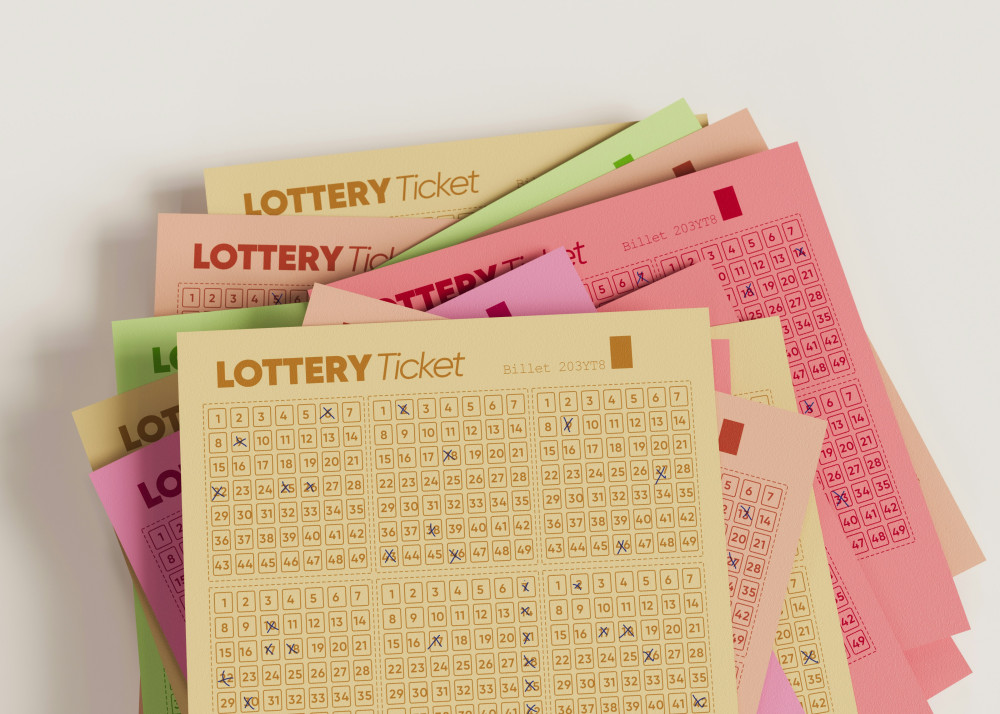
Every week, millions of people across the UK buy a lottery ticket, dreaming of matching those elusive numbers. For most, the dream ends with the draw, but the fascination remains. The lottery isn’t just a game of chance; it’s a window into how we understand – and often misunderstand – probability. By looking closely at how the lottery works, we can learn valuable lessons about how probability shapes our everyday decisions, from financial choices to the small risks we take without thinking.
How Small Are the Odds, Really?
In the UK National Lottery, the chance of winning the jackpot is roughly one in forty-five million. To put that in perspective, you’re far more likely to be struck by lightning or find a four-leaf clover every day for a year than to win the top prize. Statistically, you could play every week for thousands of years and still never hit the jackpot.
Yet, when we see smiling winners on the news or in adverts, it suddenly feels more possible. This is due to a psychological bias known as the availability heuristic: we judge how likely something is based on how easily we can recall examples. Because stories of winners are vivid and memorable, our brains trick us into thinking the odds are better than they are. But the numbers never change – they remain astronomically small.
Our Brains Struggle With Big Numbers
Humans are good at estimating simple probabilities – like whether it might rain today or if we’ll catch the bus on time. But when numbers get very large or very small, our intuition fails us. A one-in-a-million chance doesn’t feel that different from a one-in-ten-million chance, even though the difference is huge.
This is why many people underestimate how unlikely it is to win the lottery, and overestimate their chances in other areas too. We fear plane crashes more than car accidents, even though the latter are far more common. We invest in risky ventures because we focus on the few success stories we hear about, ignoring the countless failures that go unreported.
Læs også:


The Lottery and the Idea of Expected Value
A key concept in probability is expected value – the average outcome you can expect over time. In the lottery, the expected value of a ticket is always less than its price, because part of the money goes to prizes, administration, and good causes. In other words, on average, you lose money every time you play.
But that doesn’t mean the lottery is pointless. Many people see it as entertainment – a small price to pay for a moment of excitement and the pleasure of imagining “what if?”. As long as you understand that it’s a game, not an investment, you can enjoy it without disappointment.
What the Lottery Reveals About Our Decisions
The lottery highlights how often we make decisions based on emotion rather than logic. We choose hope over statistics because hope feels better. The same pattern appears in other areas of life: we buy insurance for rare events, invest in volatile markets, or take personal risks because we value the possibility, however small, of a big reward.
Understanding probability isn’t just about numbers – it’s about understanding ourselves. When we recognise how we overestimate rare events and underestimate common ones, we can make more balanced choices, both financially and personally.
Applying Lottery Logic to Everyday Life
You may never become a millionaire from the lottery, but the lessons it offers can help you think more clearly about risk and reward in daily life:
- Think in long-term averages – ask what would happen if you made the same choice a hundred times.
- Be wary of “lucky stories” – success is more visible than failure.
- Acknowledge your emotions – hope and fear influence your decisions more than you realise.
- Use probability as a guide, not a guarantee – it’s about understanding risk, not eliminating it.
When you view the lottery through the lens of probability, it becomes more than a game of chance. It’s a reminder that randomness shapes much of our world – and that wisdom often lies in knowing when to dream, and when to do the maths.
Læs også: