Why Mahjong Might Be the Most Underrated Game in the Casino World

Why Mahjong Might Be the Most Underrated Game in the Casino World
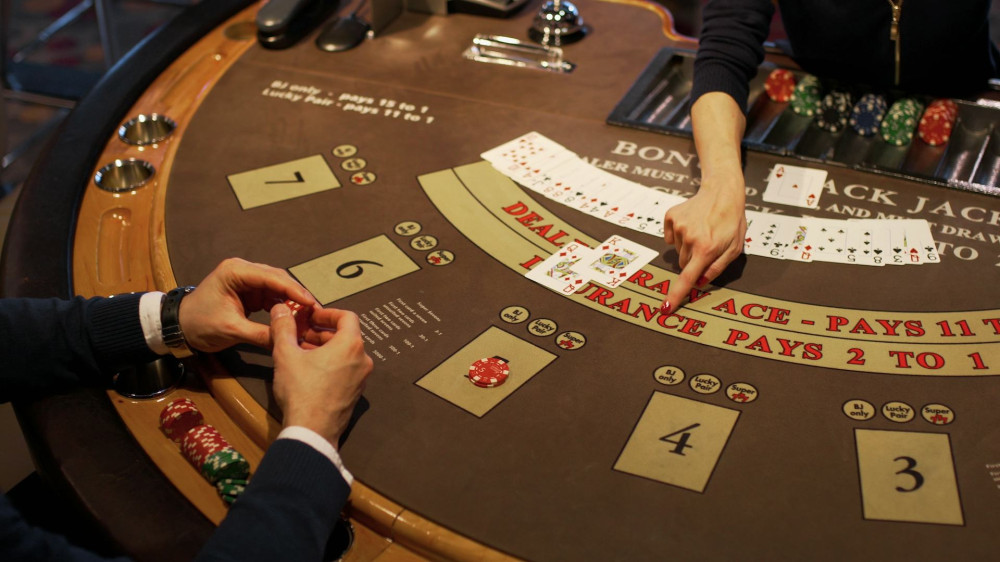
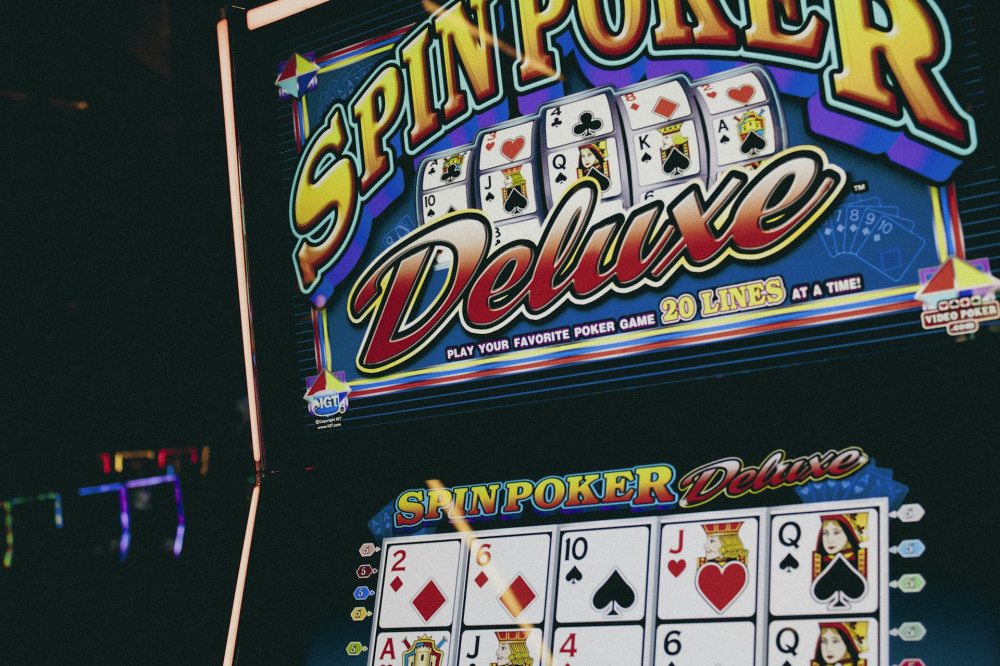
Certain games take up much of the area in any casino. Slot machines continue to attract a lot of interest, poker tables remain full, and roulette and blackjack continue to be popular.
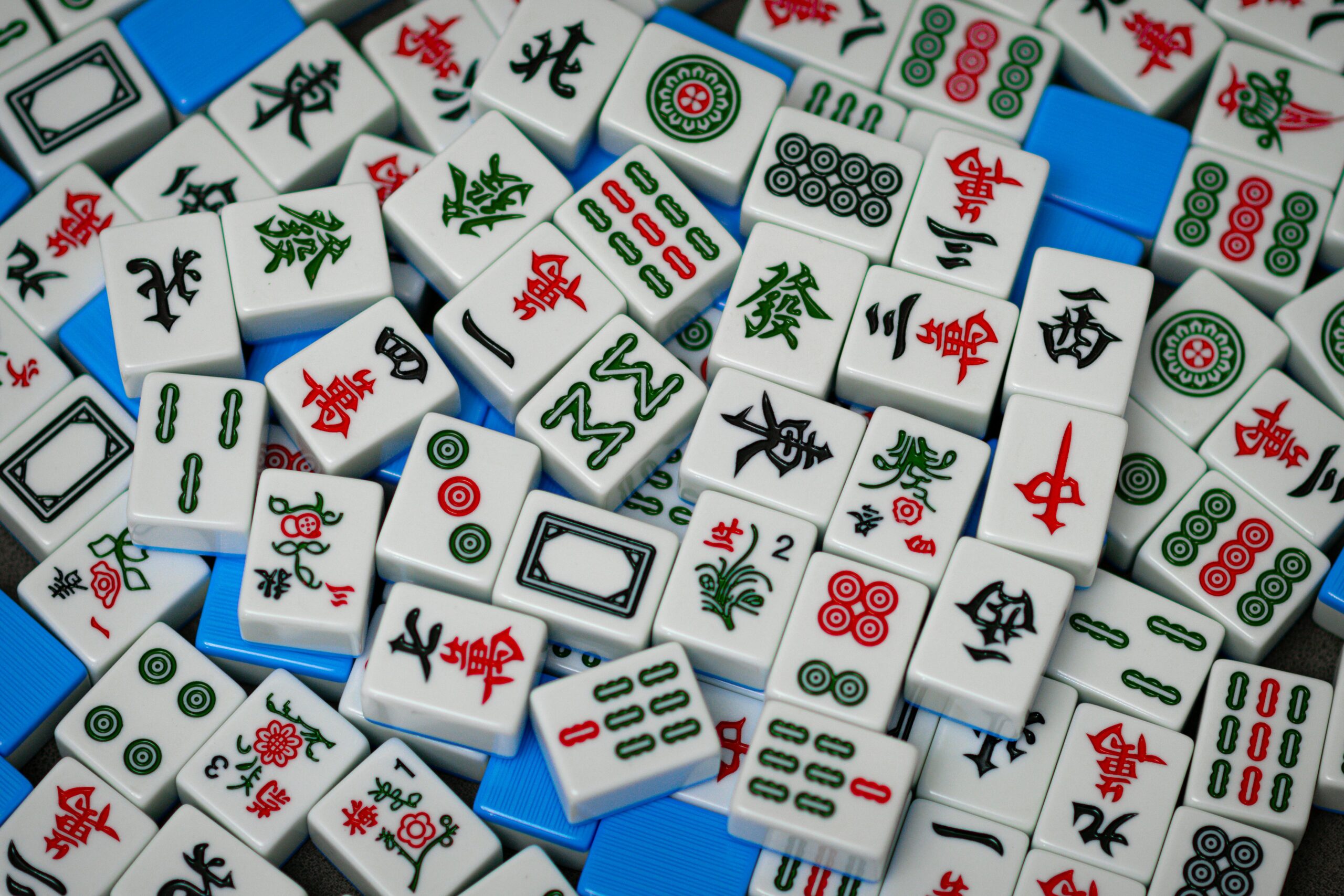
However, in the quieter areas, there is frequently a square table with tiles rather than cards and a group of players who are silently absorbed. Mahjong, which is typically played at that table, is a much more intricate and lucrative game than most people realize.
A Game of Memory, Strategy, and Timing
Most casino visitors understand games that rely on luck or simple probability. Mahjong does not fit that mold. At its core, the game demands memory, sharp observation, and a deep sense of timing. Players track which tiles have been played, calculate potential hands, and read their opponents’ moves just by watching what they discard.
Waiting for a strong draw isn't enough. Every decision matters in Mahjong, which transforms the table into a live puzzle. It is similar to poker in several aspects, but it involves more calculation and less bluffing. Players have control, unlike with slot machines or roulette. They use reasoning rather than pure luck to develop their hand. Many people still pass the table without giving it a second glance, even though that degree of control should appeal to strategic thinkers.
Online Platforms Push Mahjong into New Territory
Physical tables still hold charm, but Mahjong’s growth online has opened the door for new players worldwide. Platforms now offer versions with fair rules, clean interfaces, and smooth gameplay. For those new to the game or looking to refine their approach, the Mahjong365 website offers a clean entry point. The site doesn’t just run games; it offers insights, tutorials, and fair competition.
By moving online, Mahjong gets to break away from the old perception that it belongs to older generations or certain regions. Younger players have picked it up through apps, online leagues, and social tournaments. That shift adds more diversity to the player pool while also keeping the game alive in digital spaces.
Mahjong’s Cultural Weight in Asian Casinos
Casinos in Southeast Asia and Macau often place Mahjong at the center of the room rather than the sidelines. There, the game doesn’t feel like a novelty. It feels serious. In cities like Singapore, Hong Kong, and Kuala Lumpur, entire casino floors sometimes dedicate space to Mahjong rooms. Players come with experience, not just curiosity.
The respect for the game is rooted in culture. In many Asian families, Mahjong has been part of holidays and gatherings for generations. That connection carries into adulthood and then into casino floors. The familiarity helps, but the game’s depth keeps players coming back.
Skill Grows, But So Does the Challenge
One reason Mahjong stays underrated is the steep learning curve. Rules vary by region. There are different winning hands, scoring systems, and even tile designs. For a newcomer, this can feel overwhelming. Casinos rarely step in to guide new players. Instead, the game waits for those who take the time to study it.
But that challenge is also what gives Mahjong its staying power. Unlike games where new players get lucky early and never improve, Mahjong rewards time spent learning. The more a player practices, the more consistent their wins become. And in a casino world full of games that promise quick wins and quicker losses, Mahjong stands out as a game where skill builds slowly and results show clearly.
Casinos Miss an Opportunity
Casinos often chase games that are fast, flashy, and loud. Mahjong does not fit those boxes. It doesn’t work with spinning lights or loud music. It’s quiet. It needs space. It needs focus. And because of that, many casinos give it the bare minimum, a single table or a side room, if anything at all.
That decision might cost them. Mahjong players tend to stay longer. They often come in groups. And once they sit down, they play for hours. This kind of player brings steady value to the house. They don’t walk away after ten minutes. They aren’t chasing losses. They’re there to think, plan, and play.
With more support and visibility, Mahjong could draw in players who skip casinos entirely because they dislike games built around luck. These are players who want a fair shot and a long game. Mahjong gives them both.
A Modern Game With Ancient Roots
Mahjong dates back to the Qing dynasty in China. Over time, the game evolved, spread to new countries, and picked up new forms. Yet it never lost its core. The tiles still carry symbols from a time long before electricity or digital cards. That history lives in every session. Players touch and move pieces that carry generations of meaning.
Few casino games carry that kind of legacy. Most modern games emerged in the last hundred years. They were designed for casinos or betting halls. Mahjong wasn’t. It came from family homes and tea houses. That origin shapes the experience. The game doesn’t feel like a bet. It feels like a test of wits.